
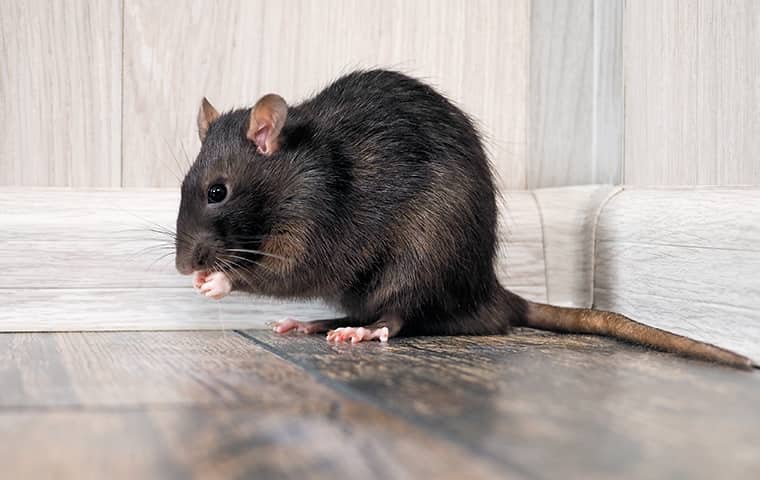
Rodents can find their way inside homes in Kansas City. The cold winters and warm summers in the city give these pests many reasons to seek shelter. Sadly, they can chew wires and contaminate food once they are inside a home. Also, they will leave behind a trail of damage. You can keep rodents out by knowing where they come from. Rodents slip through gaps that seem far too small for their size. It is important to look for these openings and seal them. Experts at Saela Pest Control can help you address a rodent infestation by identifying the openings they usually take advantage of. Also, they can close off these openings to prevent rodents from entering. Below are common entry points for rodents:
Cracks and Gaps Around the Foundation
Rodents usually explore a home’s foundation. They can enter through small cracks, gaps, or openings where the foundation meets. Mice can fit through holes as small as a dime, while rats can squeeze through spaces the size of a quarter.
Walk around your home’s base and inspect the entire perimeter. Look for chipped concrete, crumbling mortar, or gaps near vents and utility lines. Pay attention to where the foundation meets exterior steps or porches. These areas often settle over time, leaving openings behind. Seal any visible cracks with caulk or cement filler. Also, cover larger holes with hardware cloth or metal flashing.
Gaps Around Doors and Garage Entrances
Rodents can easily slip through openings that allow light or air to pass through. Garage doors are especially vulnerable, as they often don’t seal completely at the edges or base. Check weather stripping along door frames and replace any sections that appear worn or loose. Inspect the rubber seal at the bottom of the garage door for tears or flattening. Get a new one if the seal no longer touches the floor evenly. Also, door sweeps close the gap between the bottom of a door and the floor.
Openings Around Utility Lines and Pipes
Openings where gas pipes, air conditioning lines, or cables enter your home often leave enough space for pests to squeeze through. Inspect around water spigots, dryer vents, and electrical conduits. Use steel wool to fill smaller holes, then seal over it with caulk or foam for extra protection. Combine mesh and expanding foam for bigger openings.
Vents and Air Ducts
Vents allow airflow, but they can also give rodents a direct route indoors. Dryer vents, crawl space vents, and attic vents often have flimsy or damaged screens that don’t stand up to a determined mouse or rat. Check all exterior vents for signs of chewing or droppings nearby. Replace worn vent covers with heavy-duty metal mesh or hardware cloth. Also, inspect ducts for small openings or gaps where they connect to walls or floors.
Rooflines and Attic Access Points
Mice and rats can scale walls, trees, or downspouts to reach your roofline and attic. They may enter through gaps in eaves, soffits, or attic vents. Squirrels use similar paths to find warm, dry shelter during colder months.
Inspect your roof’s edges, especially where shingles meet the fascia boards. Look for loose panels or holes around attic vents and chimneys. Trim tree branches that hang over your roof since rodents can use them as bridges to access upper levels.
Windows and Basement Openings
Older windows often have worn seals or small cracks around the frame. Rodents can take advantage of these weak spots, especially if the windows sit near ground level.
Inspect window screens for tears and replace them as needed. Use caulk or weather stripping around the frame to close small gaps. Consider installing fitted covers or mesh guards for basement windows with vents or wells. If your basement has an access door, check its lower edges and hinges for wear.
