
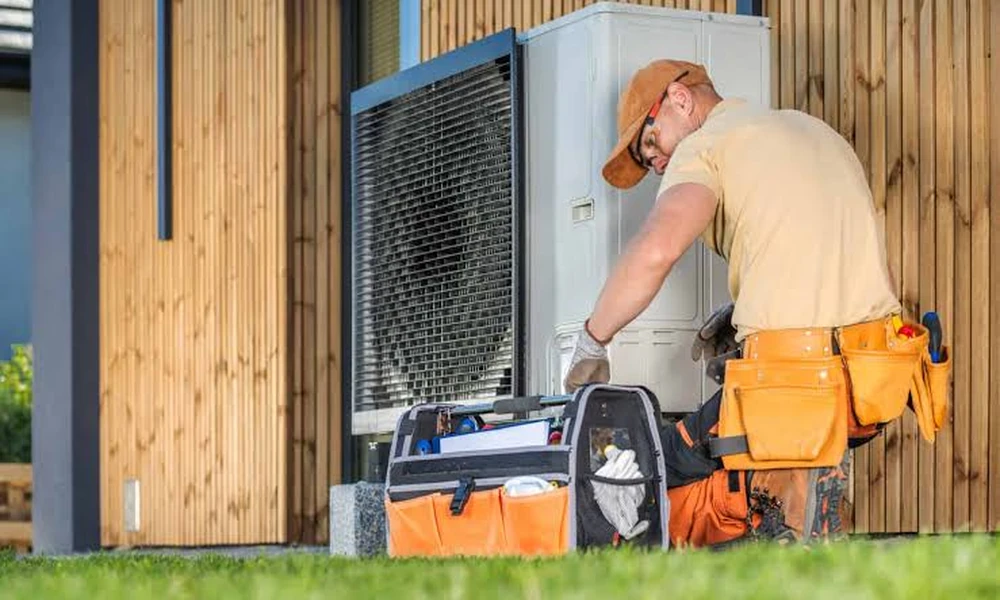
Heat pump maintenance helps preserve airflow, support efficient heating and cooling, and reveal small problems before they become expensive breakdowns. Homeowners can usually handle simple tasks such as cleaning approved filters, keeping the outdoor unit clear, checking visible drainage, and monitoring system behaviour. Refrigerant work, electrical diagnosis, coil repairs, and internal component servicing should be handled by a qualified technician. The manufacturer’s manual is the main guide for intervals and procedures.
A heat pump transfers heat between indoor and outdoor spaces rather than generating heat solely through combustion. Common types include air-source, ductless mini-split, packaged, and ground-source systems. Maintenance needs differ, but each depends on suitable airflow, functioning controls, clean heat-transfer surfaces, and correctly operating electrical and refrigerant components. Homeowner checks complement rather than replace professional inspection.
At a glance
| Area | Key point |
| Routine | Use a consistent, manufacturer-guided schedule |
| Safety | Do not improvise work on hazardous components |
| Observation | Record changes before symptoms worsen |
| Professional help | Escalate persistent or risky faults |
Identify your system and manual
Find the model number and owner’s manual, and note the locations of filters, outdoor equipment, thermostat, condensate drains, and electrical disconnects. This information helps you follow the correct steps and describe problems accurately. A procedure for a wall-mounted mini-split may not apply to a ducted air handler.
If the manual is missing, use the model label to obtain the right documentation. Avoid instructions for a similar-looking unit, because filter design, defrost controls, drainage, and service intervals can differ between models.
Clean or replace filters
Filters capture dust before it reaches indoor components and living spaces. A loaded filter restricts airflow, reducing comfort and potentially contributing to coil icing or equipment stress. Check it at the manufacturer’s interval, more often in dusty homes, during heavy use, or where pets shed.
Use the correct size and type. A filter that is too restrictive can create airflow problems even if it captures fine particles well. Washable filters should be cleaned and dried as directed; disposable filters should be replaced, not washed. Do not run the system without a filter unless the manual specifies a safe service procedure.
Keep the outdoor unit clear
Leaves, grass clippings, seed fluff, and debris can restrict airflow around the outdoor coil. Maintain the clearance specified by the manufacturer and trim vegetation without damaging the fins. The unit should rest on a stable base with room for air to move freely.
Turn the equipment off as the manual directs before permitted external cleaning. Do not insert tools through the grille, bend fins, use high-pressure washing, or apply harsh chemicals without approval. If the coil is heavily clogged or damaged, arrange professional cleaning.
Check indoor airflow
For ducted systems, keep return grilles and supply vents clear of furniture, rugs, curtains, and stored items. Blocked vents can change airflow balance and cause uneven temperatures. Inspect only safely visible ductwork; concealed duct repairs may require professional access.
For ductless systems, keep the indoor intake and discharge clear and clean accessible filters as directed. If one room remains uncomfortable, do not assume the unit needs refrigerant. Airflow, sizing, insulation, sunlight, and zoning can all influence comfort.
Understand frost and defrost cycles
Air-source heat pumps can develop frost on the outdoor coil in cold, humid weather. Many systems periodically enter defrost mode to clear it. The outdoor fan may stop, vapour may appear, and heating output may temporarily change. These behaviours can be normal if they match the manual’s description.
Heavy ice that does not clear, repeated long defrost cycles, scraping, or a unit encased in ice may indicate a problem. Do not chip ice from the coil or pour hot water over it. Keep the base clear of snow where the manual permits, and call a technician if normal defrost does not occur.
Inspect condensate drainage
Cooling and some operating conditions produce condensate that must drain away. Check visible drain outlets and pans for standing water, overflow, or staining. Water around an indoor unit can damage finishes; protect belongings and avoid touching electrical components.
Clear a drain only using a method approved for the system. Do not pour chemicals into the line unless the manufacturer specifies them. Mini-splits may use pumps or different drain arrangements. Repeated blockage suggests the line, slope, pump, or installation needs professional attention.
Use thermostat settings thoughtfully
Heat pumps often work well with stable settings, but the best strategy depends on the equipment, climate, energy rates, and auxiliary heat configuration. Learn the thermostat’s heat-pump mode, schedules, fan settings, and recovery features. Avoid changing advanced installer settings without guidance.
If the system has electric resistance backup, understand when it is designed to operate. An auxiliary heat indicator may appear during very cold weather or recovery from a large setpoint change. Repeated unexpected backup use may deserve assessment, but the indicator alone does not prove a fault.
Monitor performance and energy use
Track comfort and energy use across comparable weather periods. A sudden increase in consumption, longer runtimes, frequent cycling, or new room-to-room differences can signal a maintenance issue, although weather and household habits also matter. Compare trends over time instead of judging one bill in isolation.
Check that schedules, modes, and setpoints have not changed accidentally. Address major air leaks and keep filters clean so the heat pump is not compensating for avoidable losses. If performance remains poor, record symptoms and contact a technician rather than adjusting refrigerant or internal controls.
Recognise noises and warning signs
New grinding, loud vibration, repeated clicking, burning smells, refrigerant-line icing, frequent shutdowns, or persistent error codes deserve attention. Some sound is normal during startup, defrost, or compressor-speed changes, but a sudden change from normal behaviour should not be ignored.
If there is smoke, a burning electrical smell, repeated breaker trips, or water near electrical parts, stop using the system if safe and seek qualified assistance. Do not open electrical panels, bypass safety switches, or attempt refrigerant repairs. Record error codes and follow only the manual’s safe checks.
Prepare for seasonal changes
Before heating season, check filters, outdoor clearance, thermostat schedules, visible damage, and condensate paths. Before heavy cooling use, confirm that filters and outdoor airflow are clear. Arrange professional inspection before peak demand if possible, when service appointments may be harder to obtain.
After storms, look for debris, damaged panels, shifted equipment, or blocked drainage from a safe position. In snowy areas, follow the manual when clearing snow around the unit. Do not build an enclosure around the outdoor unit unless approved; restricted airflow can interfere with operation.
Understand a professional service visit
A technician may inspect electrical connections, controls, refrigerant performance, coils, fan operation, defrost controls, drainage, and heating or cooling output. The exact service depends on system design and condition. Ask what is included rather than assuming every visit involves the same tests or parts.
Request an explanation of measurements and recommended repairs. A useful service record lists findings, completed tasks, and follow-up items. Keep invoices, model details, and service dates together to support future diagnosis and warranty claims.
Avoid common maintenance mistakes
Common mistakes include using an unsuitable filter, spraying chemicals into the unit, bending coil fins, blocking the outdoor unit with plants, and changing advanced settings without understanding them. Another mistake is assuming every patch of frost indicates a fault-or that persistent heavy ice is always normal.
Do not add refrigerant, open sealed components, or adjust electrical controls as a shortcut. Refrigerant handling is regulated in many places and requires suitable tools and training. If safe basic maintenance does not restore normal operation, stop experimenting and arrange qualified diagnosis.
Keep a seasonal maintenance calendar
Check filters regularly at first to learn how quickly they collect dust, then follow the manufacturer’s schedule. Keep outdoor airflow clear year-round and inspect visible drainage during heavy use. Review thermostat schedules as seasons change and watch for unusual sounds or changes in comfort.
Arrange professional maintenance at the interval recommended for the model and usage. Homes with pets, dusty conditions, long operating seasons, or complex ductwork may need closer attention. A calendar reminder and short service log make the routine consistent without unnecessary adjustments.
Practical checklist
- Check filters and outdoor clearance.
- Keep vents and drainage paths clear.
- Record error codes and unusual sounds.
- Do not open sealed refrigerant or electrical parts.
- Schedule qualified service for persistent faults.
Troubleshooting without guesswork
If comfort drops, first record the mode, thermostat setting, outdoor weather, filter condition, and any error code. Check safe, visible items such as blocked vents or debris around the outdoor unit. Avoid repeated resets if a breaker trips or the equipment stops with a fault; the shutdown may be protecting the system from damage.
When booking service, describe whether the issue affects heating, cooling, airflow, drainage, or both. Ask what measurements will be taken and what the diagnostic charge includes. A measured diagnosis is more useful than a recommendation based only on the age of the equipment, and it helps you compare repair options if a major component has failed.
Airflow, placement, and household conditions
Heat pump performance depends partly on the building around it. Open returns, unobstructed supply vents, reasonable filter maintenance, and adequate insulation help the equipment deliver heat or cooling as designed. If a room is consistently uncomfortable, note whether doors are usually closed, curtains cover vents, or sunlight creates a large local heat gain. These details can help distinguish a distribution issue from an equipment fault.
Outdoor placement matters too. Leaves, snow, storage items, and dense plants should not block the clearances specified by the manufacturer. Do not place a decorative cover over an operating unit unless it is designed and approved for that use. Air must move freely around the coil, and a poorly designed enclosure can cause poor performance or repeated shutdowns.
If a unit is moved, landscaping is changed, or a deck is built nearby, recheck the required clearance and service access. Keep the area around disconnects and service panels accessible to qualified technicians. Small site changes can gradually restrict airflow or make routine service more difficult.
