
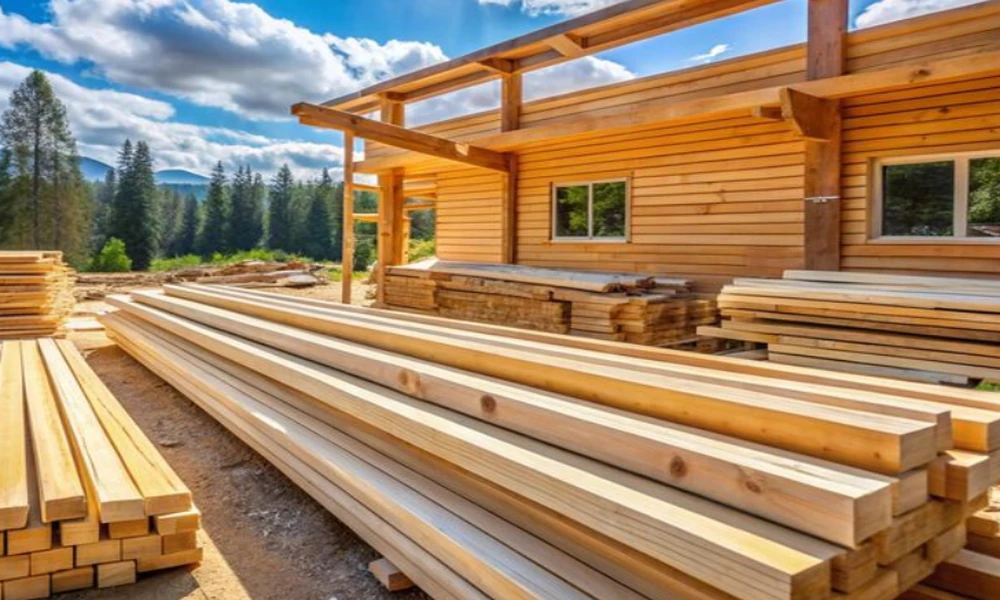
Building something outdoors in Florida can be tricky. The sun is intense. Rain can come suddenly. Humidity stays high for much of the year, and moisture seems to find its way into almost everything.
That is why choosing the right lumber matters.
A board that works perfectly indoors may warp, crack, rot, or attract insects when left outside. For decks, fences, garden beds, outdoor furniture, docks, and other exterior projects, the wood needs to handle difficult conditions.
So, which lumber is best for Florida weather and wet outdoor areas? The answer depends on where and how the wood will be used.
Is Pressure-Treated Lumber Good for Florida Weather?
Pressure-treated lumber is one of the most common choices for outdoor projects.
The wood is treated with preservatives that help protect it against rot, decay, fungi, and insects. This makes it useful for decks, fences, posts, stairs, and other structures exposed to moisture.
It is usually more affordable than naturally rot-resistant hardwoods, which is another reason people choose it.
Still, pressure-treated lumber needs proper installation and maintenance. As the wood dries, it may shrink or develop small cracks. Applying an appropriate exterior sealant can help reduce moisture absorption and weathering.
For many general outdoor projects, it is a practical option.
Is Cedar a Good Choice for Wet Weather?
Cedar has natural oils that help resist moisture, decay, and insects. It also has a warm appearance that many people like for fences, outdoor furniture, pergolas, and decorative features.
Compared with some other lumber types, cedar is lightweight and relatively easy to work with.
However, Florida’s strong sunlight and frequent rain can change its appearance over time. Without protection, cedar may fade to a grayish color.
Some people actually like that natural weathered look. Others prefer to apply a stain or sealer to preserve the original color.
Cedar can perform well outdoors, but it may not be the best choice for areas with constant ground contact or standing water.
What About Cypress for Florida Outdoor Projects?
Cypress is often considered a good option for humid and wet climates.
It contains natural compounds that can help resist decay and insects. Because cypress trees naturally grow in wet environments, the wood has a long history of outdoor use.
Cypress may be used for siding, fences, outdoor furniture, trim, and other exterior applications.
It can be a particularly interesting choice for Florida because it handles humidity fairly well when properly maintained.
Of course, no wood is completely maintenance-free. A quality finish can help extend its life and reduce damage from sunlight and repeated moisture exposure.
Are Tropical Hardwoods Better for Wet Conditions?
Some tropical hardwoods are known for excellent durability outdoors. Woods such as ipe and teak contain natural oils and have dense structures that help them resist moisture, insects, and decay.
They can last for many years when properly installed.
There is a downside, though.
These woods can be expensive, heavy, and harder to cut or fasten. Special tools or pre-drilling may sometimes be needed.
For a large deck, the cost can add up quickly. For smaller outdoor furniture projects or areas where long-term durability is especially important, they may make more sense.
Does Ground Contact Change Which Lumber You Should Use?
Absolutely.
Wood used above ground does not face the same conditions as wood buried in soil or sitting close to constant moisture.
Fence posts, deck supports, garden structures, and similar projects may require lumber specifically rated for ground contact. Using ordinary outdoor wood in these areas could lead to faster decay.
Always check the lumber’s intended use before buying it.
A board described as weather-resistant is not automatically suitable for direct soil contact or constant exposure to water.
Which Lumber Is the Best Overall Choice?
There is no single perfect answer for every outdoor project.
Pressure-treated lumber is often a practical choice for decks, fences, and structural work. Cedar works well when appearance and natural resistance matter. Cypress can be a strong option for humid environments. Tropical hardwoods may provide excellent durability when the budget allows.
The location matters too. A covered patio is very different from an uncovered deck. A garden bench faces different conditions than a dock or fence post.
The best choice starts with one simple question: How much water, sunlight, humidity, and ground contact will this wood actually face?
Choose lumber based on those conditions, install it correctly, and give it the protection it needs. In Florida weather, that extra thought at the beginning can help an outdoor project last much longer.
This post was written by a professional at Anawalt Lumber. Anawalt Lumber is a family-owned lumber yard and hardware store Los Angeles for over a century. Known for quality lumber, contractor supplies, hardware, and a full-service nursery, Anawalt provides personalized service for homeowners and licensed contractors. From job pricing and bulk discounts to special-order materials with fast delivery, Anawalt is your trusted local building supply partner in Malibu, West LA, and Hollywood.
