
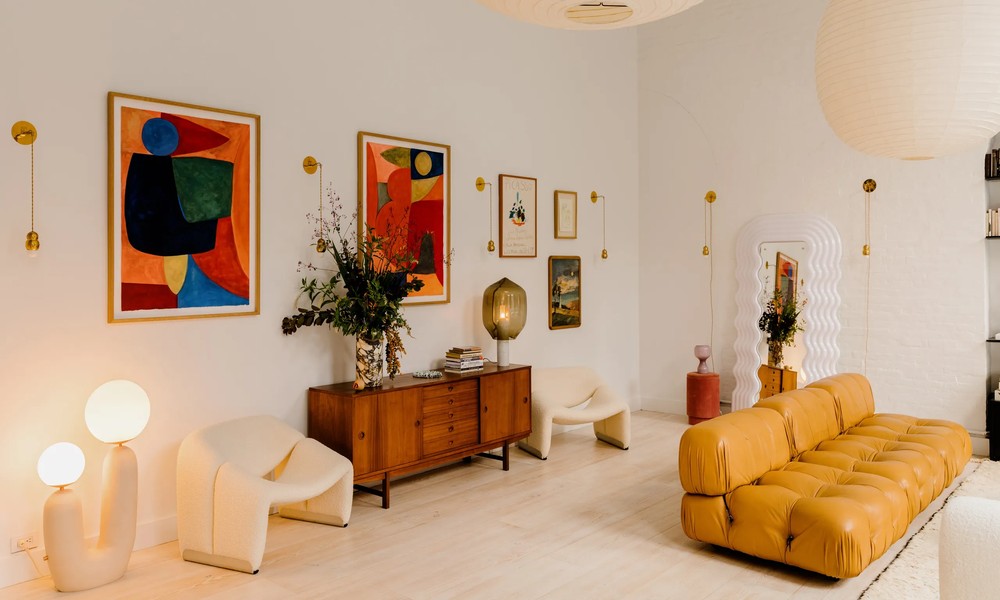
What turns a simple seat into a cultural icon? Sometimes, it’s the curve of an armrest, the choice of upholstery, or the boldness of a silhouette. A sofa is more than just a place to sit, it’s a marker of its era, a canvas for designers, and a silent witness to changing lifestyles.
What Defines a Sofa’s Style and Why Does It Matter?
A sofa’s style isn’t just about looks. It anchors a room’s personality, tells a story about taste, and often reveals priorities, comfort, aesthetics, or innovation. The materials, shape, and details each era favors often mirror broader cultural shifts: prosperity, restraint, rebellion, or a longing for the past.
How Did Sofa Designs Begin in the Early 20th Century?
What Influences Shaped Art Deco and Bauhaus Sofas?
The early 1900s set the stage for the first great stylistic shake-ups in sofa design. Art Deco embraced geometric lines, glossy finishes, and luxury materials like exotic woods and lacquer. In contrast, Bauhaus sofas stripped away ornament, favoring purposeful form and clean geometry. Both movements rejected Victorian fussiness but did so in opposing ways: Art Deco delighted in drama while Bauhaus favored the functional.
How Did Materials and Craftsmanship Reflect the Era?
Sofas of this period often featured solid wood frames, sturdy springs, and hand-finished details. Leather, mohair, and velvet were popular, especially among those seeking both durability and decadence. The craftsmanship was typically meticulous, echoing a time when furniture was expected to last for generations.
How Did Mid-Century Modern Sofas Transform Living Spaces?
What Are the Key Characteristics of Mid-Century Sofas?
Mid-century modern design, which blossomed in the 1940s through the 1960s, brought a fresh, unpretentious outlook. Sofas from this era are instantly recognizable for their tapered legs, streamlined forms, and organic shapes. These pieces radiated optimism, embracing new synthetic materials alongside classic woods.
Which Designers and Brands Pioneered This Style?
Names like Florence Knoll, Charles and Ray Eames, and Arne Jacobsen became synonymous with the era. Brands such as Knoll and Herman Miller pushed out iconic sofas now found in museums as often as living rooms. Their work wasn’t just stylish but highly accessible, intended for the growing middle class.
What Role Did the 1970s and 1980s Play in Sofa Evolution?
How Did Cultural Shifts Influence Bold Designs and Colors?
As society loosened up, so did sofas. The 1970s and 1980s gave us conversation pits, sectional seating, and riotous bursts of color. Avocado green, burnt orange, and plush corduroy became household staples. These decades championed experimentation, reflecting both a playful spirit and the influence of pop culture.
What Innovations in Comfort and Functionality Emerged?
Functionality became as important as form. Reclining features, modular components, and built-in storage appeared. Sofas were designed for sprawling, socializing, and accommodating the whole family as open-concept living spaces grew in popularity.
How Have Contemporary Sofas Adapted to Modern Lifestyles?
What Are the Trends in Minimalism and Modular Sofas?
Today, minimalism reigns in many interiors. Slim profiles, neutral palettes, and modular systems dominate, allowing ultimate flexibility in small or open spaces. Consumers demand adaptability: the ability to move and reconfigure seating as life changes.
How Does Sustainability Impact Sofa Design Today?
Eco-consciousness has become a dominant force. Designers and brands now prioritize sustainably sourced wood, recycled textiles, and low-impact manufacturing. Transparency in sourcing and production has become a selling point, not just an ethical stance.
Why Are Vintage and Retro Sofas Making a Comeback?
How Do Designers Blend Old Styles with New Technology?
Nostalgia is powerful, but today’s consumers also crave practicality. Modern vintage-inspired sofas blend classic silhouettes with updated materials, enhanced ergonomics, and stain-resistant fabrics. Some even integrate hidden USB charging or wireless speakers, functionality tucked inside familiar forms.
What Should Buyers Consider When Choosing Vintage-Inspired Sofas?
It pays to look beyond appearances. Modern replicas can deliver beautiful lines but may miss the structural craftsmanship of originals. Buyers should weigh build quality, comfort, and whether retro styling fits their everyday needs.
How Do Different Cultures Influence Sofa Styles Globally?
What Are Distinctive Features of European vs. North American Sofas?
European sofas often embrace a sleeker, more compact style, nodding to smaller living spaces and a centuries-old tradition of craftsmanship. North American sofas, by comparison, tend to be larger and more cushioned, prioritizing family life and lounging comfort.
How Are Asian and Scandinavian Designs Shaping Global Trends?
Scandinavian sofas, with their pale woods and airy profiles, have become global favorites. Meanwhile, Japanese and Korean influences are visible in low-slung forms and modular seating designed for flexible, space-efficient living.
What Does the Future Hold for Sofa Design?
How Will Smart Technology Integrate with Furniture?
Imagine sofas embedded with sensors that adjust firmness or temperature, or those that interact with smart home systems. The next wave of furniture is poised to become as connected as our phones.
What Emerging Materials and Concepts Could Redefine Comfort?
Cutting-edge textiles, recycled composites, and even 3D-printed frames are on the rise. Designers are experimenting with everything from biodegradable padding to entirely new shapes that challenge our expectations of what a sofa can be.
Where Can You Find Inspiration and Expertise on Modern Sofa Design?
A wealth of resources exist for those seeking guidance, but few combine deep expertise with a fresh, curated perspective. Brands like Avant-Scene luxury sofas stand out, offering access to innovative collections and expert consultations for everyone from homeowners to professional designers. For deeper dives, monthly newsletters and digital platforms provide timely updates on the latest arrivals, trends, and inspiration to help consumers and creators stay at the forefront of modern sofa design.
From ornate divans to sleek, sustainable sectionals, the story of the sofa is still being written, one seat at a time.
